PCOS के लिए आयुर्वेदिक उपाय: महिलाओं के स्वास्थ्य के लिए प्राकृतिक मार्गदर्शन
परिचय
आजकल पॉलीसिस्टिक ओवरी सिंड्रोम (PCOS) महिलाओं में तेजी से बढ़ती एक सामान्य हार्मोनल समस्या है। यह समस्या मुख्य रूप से प्रजनन आयु की महिलाओं को प्रभावित करती है और इसके कारण अनियमित मासिक धर्म, वजन बढ़ना, मुंहासे, बालों का झड़ना तथा अन्य स्वास्थ्य संबंधी परेशानियां हो सकती हैं।
आयुर्वेद शरीर के प्राकृतिक संतुलन को बनाए रखने पर जोर देता है। आयुर्वेद के अनुसार सही आहार, स्वस्थ जीवनशैली और प्राकृतिक जड़ी-बूटियों के माध्यम से महिलाओं के संपूर्ण स्वास्थ्य को समर्थन दिया जा सकता है। हालांकि, PCOS एक चिकित्सीय स्थिति है और इसके लिए डॉक्टर की सलाह लेना आवश्यक है।
PCOS क्या है?
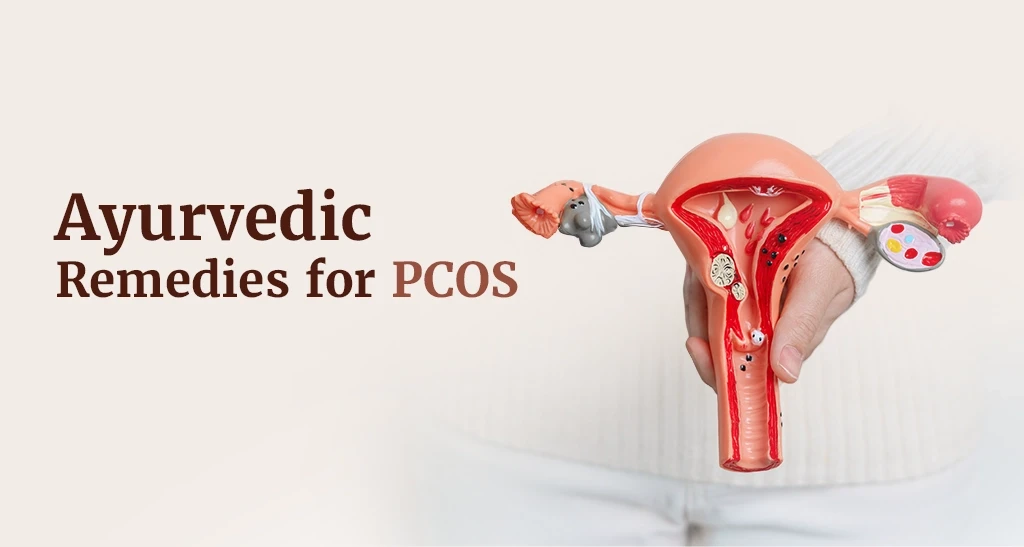
PCOS (Polycystic Ovary Syndrome) एक हार्मोनल असंतुलन से जुड़ी स्थिति है, जिसमें महिलाओं के शरीर में हार्मोन का संतुलन प्रभावित हो सकता है। इसके कारण मासिक धर्म चक्र अनियमित हो सकता है और कई अन्य स्वास्थ्य समस्याएं भी उत्पन्न हो सकती हैं।
PCOS के सामान्य लक्षण
- अनियमित पीरियड्स
- वजन बढ़ना
- चेहरे पर मुंहासे
- बालों का झड़ना
- थकान महसूस होना
- अत्यधिक बालों की वृद्धि
आयुर्वेद के अनुसार PCOS
आयुर्वेद में PCOS को मुख्य रूप से कफ दोष, वात दोष और कमजोर अग्नि (पाचन शक्ति) से जुड़ा माना जाता है। जब शरीर में दोषों का संतुलन बिगड़ जाता है, तो विभिन्न स्वास्थ्य समस्याएं उत्पन्न हो सकती हैं।
आयुर्वेद संतुलित आहार, नियमित दिनचर्या और प्राकृतिक जड़ी-बूटियों के माध्यम से शरीर के संतुलन को बनाए रखने पर ध्यान देता है।
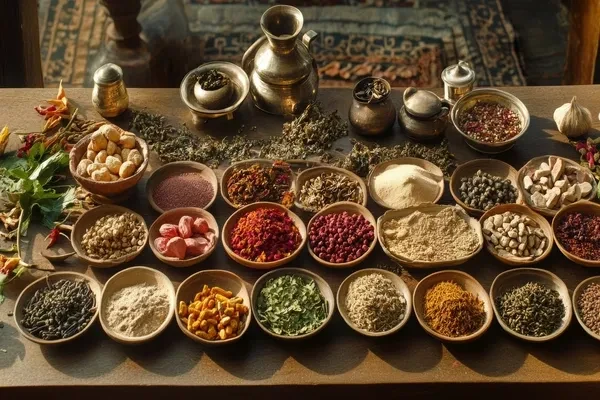
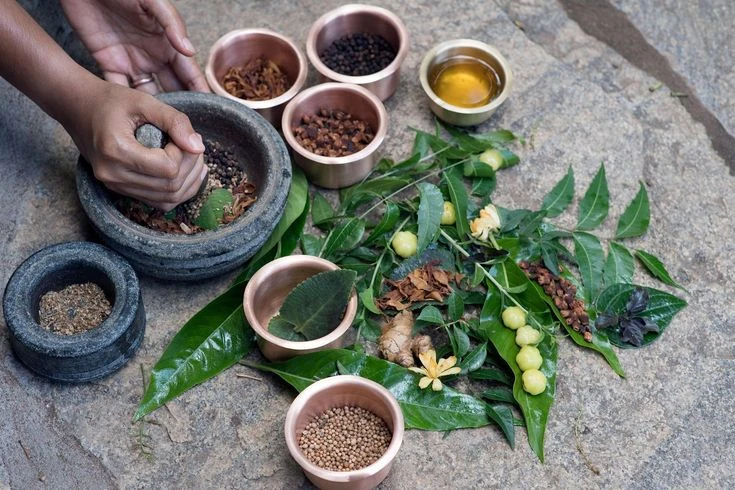
PCOS के लिए प्रमुख आयुर्वेदिक जड़ी-बूटियां
1. शतावरी
शतावरी महिलाओं के स्वास्थ्य के लिए अत्यंत महत्वपूर्ण आयुर्वेदिक जड़ी-बूटी मानी जाती है।
लाभ
- महिलाओं के स्वास्थ्य को समर्थन
- हार्मोनल संतुलन बनाए रखने में सहायक
- संपूर्ण तंदुरुस्ती के लिए उपयोगी
2. अशोक
अशोक का उपयोग आयुर्वेद में महिलाओं के स्वास्थ्य के लिए लंबे समय से किया जाता रहा है।
लाभ
- महिला स्वास्थ्य को समर्थन
- सामान्य मासिक स्वास्थ्य के लिए उपयोगी
- आयुर्वेदिक महिला स्वास्थ्य उत्पादों में लोकप्रिय
3. एलोवेरा
एलोवेरा अपने स्वास्थ्यवर्धक गुणों के लिए जाना जाता है।
लाभ
- पाचन स्वास्थ्य को समर्थन
- शरीर को हाइड्रेट रखने में सहायक
- सामान्य स्वास्थ्य को बढ़ावा
4. हल्दी
हल्दी प्राकृतिक एंटीऑक्सीडेंट गुणों से भरपूर होती है।
लाभ
- संपूर्ण स्वास्थ्य को समर्थन
- स्वस्थ जीवनशैली का महत्वपूर्ण हिस्सा
- शरीर के लिए लाभकारी
5. दालचीनी
दालचीनी को संतुलित आहार का महत्वपूर्ण हिस्सा माना जाता है।
लाभ
- स्वास्थ्यवर्धक गुणों से भरपूर
- दैनिक आहार में आसानी से शामिल की जा सकती है
- स्वस्थ जीवनशैली को समर्थन
PCOS के लिए आयुर्वेदिक आहार
क्या खाएं?
- हरी पत्तेदार सब्जियां
- ताजे फल
- साबुत अनाज
- दालें
- सूखे मेवे
- बीज (Seeds)
- पर्याप्त पानी
किन चीजों से बचें?
- जंक फूड
- अत्यधिक मीठे खाद्य पदार्थ
- तला-भुना भोजन
- सॉफ्ट ड्रिंक्स
- प्रोसेस्ड फूड
PCOS में जीवनशैली का महत्व
नियमित व्यायाम करें
रोजाना कम से कम 30 मिनट की शारीरिक गतिविधि करें।
स्वस्थ वजन बनाए रखें
संतुलित वजन बनाए रखना महिलाओं के स्वास्थ्य के लिए महत्वपूर्ण है।
तनाव कम करें
ध्यान, योग और प्राणायाम मानसिक स्वास्थ्य को बेहतर बनाने में सहायक हो सकते हैं।
पर्याप्त नींद लें
हर दिन 7–8 घंटे की अच्छी नींद लेने का प्रयास करें।
नियमित दिनचर्या अपनाएं
समय पर भोजन करना और पर्याप्त आराम लेना स्वास्थ्य के लिए आवश्यक है।
PCOS के लिए योगासन
योग शरीर और मन दोनों को स्वस्थ रखने में मदद करता है।
उपयोगी योगासन
- भुजंगासन
- बद्ध कोणासन
- सेतु बंधासन
- सूर्य नमस्कार
- अनुलोम-विलोम प्राणायाम
पाचन स्वास्थ्य और PCOS
आयुर्वेद के अनुसार मजबूत अग्नि (Digestive Fire) अच्छे स्वास्थ्य का आधार है। स्वस्थ पाचन शरीर को पोषक तत्वों का बेहतर उपयोग करने में मदद करता है और संपूर्ण स्वास्थ्य को समर्थन देता है।
डॉक्टर से कब सलाह लें?
यदि आपको निम्नलिखित समस्याएं लगातार बनी रहती हैं:
- अनियमित मासिक धर्म
- अत्यधिक वजन बढ़ना
- गंभीर मुंहासे
- बालों का अत्यधिक झड़ना
- गर्भधारण में कठिनाई
तो तुरंत किसी योग्य डॉक्टर या स्त्री रोग विशेषज्ञ से संपर्क करें।
FAQ (अक्सर पूछे जाने वाले प्रश्न)
1. PCOS क्या है?
PCOS महिलाओं में होने वाली एक हार्मोनल समस्या है जो मासिक धर्म और अन्य स्वास्थ्य पहलुओं को प्रभावित कर सकती है।
2. क्या आयुर्वेद PCOS में मदद कर सकता है?
आयुर्वेद स्वस्थ जीवनशैली, संतुलित आहार और प्राकृतिक जड़ी-बूटियों के माध्यम से संपूर्ण स्वास्थ्य को समर्थन देता है।
3. PCOS के लिए कौन-सी आयुर्वेदिक जड़ी-बूटियां लोकप्रिय हैं?
शतावरी, अशोक, हल्दी और एलोवेरा महिलाओं के स्वास्थ्य के लिए लोकप्रिय आयुर्वेदिक विकल्प हैं।
4. क्या योग PCOS में लाभकारी है?
योग और प्राणायाम स्वस्थ जीवनशैली का महत्वपूर्ण हिस्सा माने जाते हैं।
5. PCOS में कौन-सा आहार लेना चाहिए?
हरी सब्जियां, फल, साबुत अनाज, दालें और सूखे मेवे संतुलित आहार का हिस्सा होने चाहिए।
6. क्या वजन नियंत्रण PCOS में महत्वपूर्ण है?
हाँ, स्वस्थ वजन बनाए रखना संपूर्ण स्वास्थ्य के लिए लाभकारी माना जाता है।
7. क्या तनाव PCOS को प्रभावित कर सकता है?
तनाव शरीर के हार्मोनल संतुलन और सामान्य स्वास्थ्य को प्रभावित कर सकता है।
8. PCOS के लिए डॉक्टर से कब संपर्क करना चाहिए?
यदि लक्षण लगातार बने रहें या गंभीर हो जाएं, तो डॉक्टर की सलाह अवश्य लें।
In English :
Ayurvedic Remedies for PCOS: Natural Ways to Support Women's Health
Introduction
Polycystic Ovary Syndrome (PCOS) is a common hormonal condition that affects many women during their reproductive years. It may be associated with irregular menstrual cycles, weight management challenges, acne, excess facial hair growth, and other symptoms that can affect overall well-being.
Ayurveda views health as a balance between the body's energies (Doshas), digestion, lifestyle, and mental well-being. While PCOS requires proper medical diagnosis and management, Ayurvedic practices may help support overall health, healthy lifestyle habits, and hormonal balance when combined with professional medical care.
In this article, we'll explore Ayurvedic remedies, herbs, dietary recommendations, and lifestyle practices that may support women living with PCOS.
Understanding PCOS from an Ayurvedic Perspective
According to Ayurveda, imbalances in Kapha Dosha, Vata Dosha, digestion (Agni), and metabolism may contribute to various health concerns. Ayurvedic wellness practices focus on supporting balance through proper nutrition, daily routines, physical activity, and herbal support.
Ayurvedic Remedies Commonly Used for PCOS
1. Ashoka
Ashoka is one of the most respected herbs in Ayurvedic women's wellness.
Benefits
- Traditionally used for women's health
- Supports overall reproductive wellness
- Commonly included in Ayurvedic formulations for women
2. Shatavari
Shatavari is widely used in Ayurveda to support female wellness.
Benefits
- Supports overall women's health
- Traditionally used to promote balance and vitality
- Supports general reproductive wellness
3. Aloe Vera
Aloe Vera is commonly included in Ayurvedic wellness routines.
Benefits
- Supports digestive health
- Promotes overall wellness
- Helps maintain healthy lifestyle habits
4. Turmeric
Turmeric is one of the most widely used Ayurvedic herbs.
Benefits
- Rich in natural antioxidants
- Supports overall health
- Commonly used as part of a healthy diet
5. Cinnamon
Cinnamon is often included in balanced wellness routines.
Benefits
- Supports healthy dietary practices
- Adds flavor and nutritional value
- Commonly used in Ayurvedic preparations
Ayurvedic Diet Tips for PCOS
A balanced diet plays an important role in supporting overall health.
Foods to Include
- Fresh vegetables
- Seasonal fruits
- Whole grains
- Lentils and legumes
- Nuts and seeds
- Adequate water
Foods to Limit
- Processed foods
- Excess sugar
- Deep-fried foods
- Excessive soft drinks
- Highly refined snacks
Lifestyle Tips for Managing PCOS
Exercise Regularly
Activities such as walking, yoga, stretching, and strength training can support overall wellness.
Maintain a Healthy Weight
Healthy lifestyle habits may help support long-term well-being.
Manage Stress
Meditation, yoga, and breathing exercises can help support emotional wellness.
Prioritize Sleep
Aim for 7–8 hours of quality sleep each night.
Follow a Consistent Routine
Ayurveda emphasizes regular meal times, sleep schedules, and healthy daily habits.
Yoga Practices Commonly Recommended
Some yoga practices traditionally included in women's wellness routines include:
- Bhujangasana (Cobra Pose)
- Baddha Konasana (Butterfly Pose)
- Setu Bandhasana (Bridge Pose)
- Surya Namaskar
- Pranayama
Practice under proper guidance, especially if you are new to yoga.
Importance of Professional Medical Care
PCOS is a medical condition that requires proper diagnosis and management. Ayurvedic remedies should not replace medical treatment. If you experience symptoms such as irregular periods, severe acne, unexplained weight changes, or fertility concerns, consult a qualified healthcare professional.
Why Choose Ayurvedic Products from Rishi Dawakhana?
Rishi Dawakhana offers a wide range of Ayurvedic wellness products from trusted brands. Whether you're looking for traditional herbs, women's wellness products, or natural health supplements, you'll find quality options to support your wellness journey.
Frequently Asked Questions (FAQs)
1. What is PCOS?
PCOS (Polycystic Ovary Syndrome) is a hormonal condition that affects many women during their reproductive years.
2. Can Ayurveda cure PCOS?
There is no guaranteed cure for PCOS. Ayurveda may support overall wellness and healthy lifestyle habits, but medical care remains important.
3. Which Ayurvedic herbs are commonly used for women's wellness?
Ashoka, Shatavari, Turmeric, and Aloe Vera are commonly used in Ayurvedic women's health formulations.
4. Is diet important for managing PCOS?
Yes, a balanced diet is an important part of overall health and wellness.
5. Can exercise help women with PCOS?
Regular physical activity supports overall health and wellness.
6. Is stress linked to PCOS symptoms?
Stress can affect overall well-being and may influence health-related concerns.
7. Can yoga support women with PCOS?
Yoga is commonly included as part of a healthy lifestyle and wellness routine.
8. Should I consult a doctor if I suspect PCOS?
Yes, proper diagnosis and treatment should always be obtained from a qualified healthcare professional.
 english


 Ayurvedic Medicine
 Jadibuti / Pansari
 Cosmetics & Personal Care
 Homoeopathic
 Allopathic
 Patanjali
 Unani
Unani
 Veterinary
 Baby Care